Ramen Master T-Shirt Design
First Impression: Playful, Bold, and Instantly Recognizable
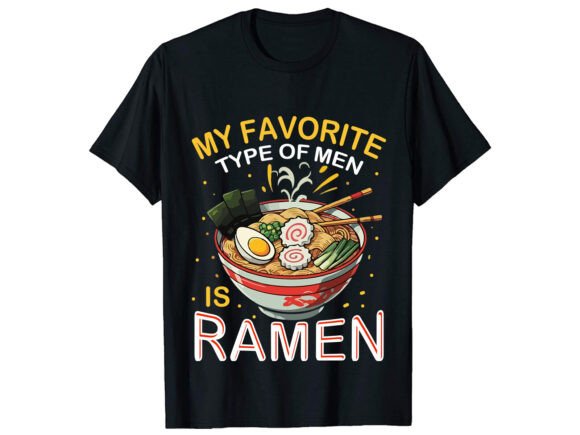
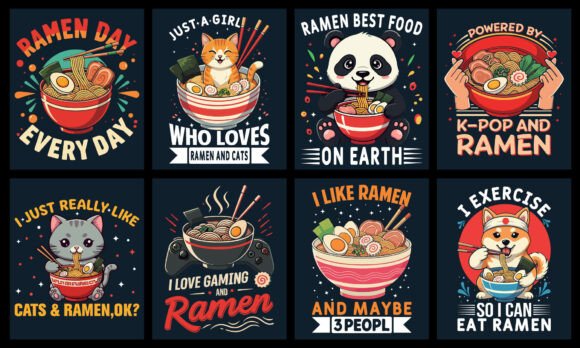
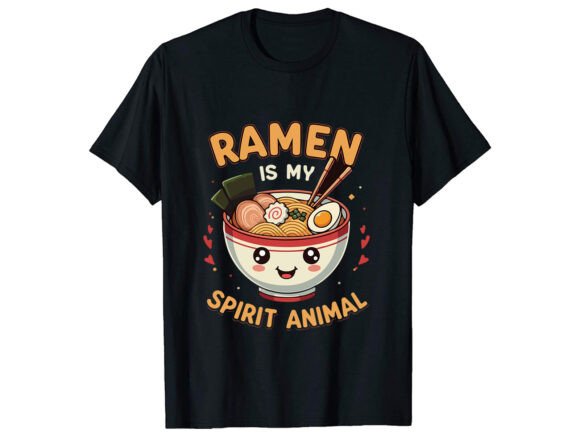
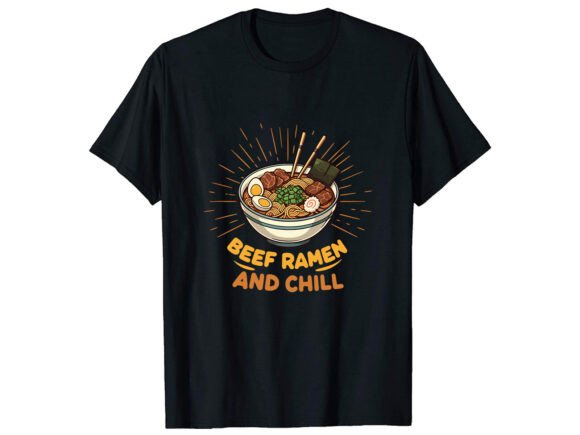
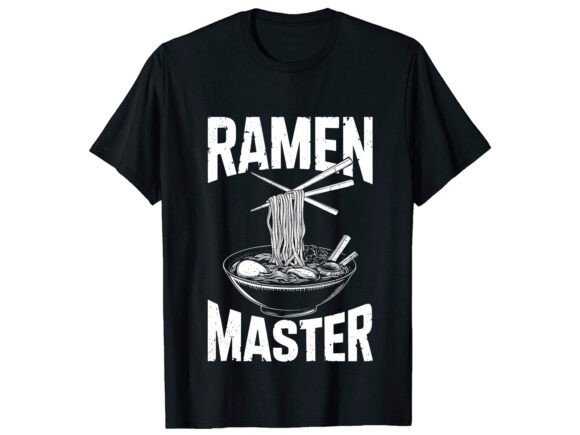
When I opened the Ramen Master T-Shirt Design files, my eye landed first on the confident noodle bowl—steaming, stylized, with chopsticks resting across the rim and a subtle “Master” badge tucked in the corner. It’s not fussy or overly detailed; it’s graphic, balanced, and built for impact. As an embroidery designer who tests hundreds of digital designs each year, I immediately sensed this one was made for visibility—not just print, but stitch. The lines are clean, the negative space generous, and the proportions feel intentional for apparel and accessories. It reads as joyful craftsmanship, not clipart. That matters when you’re stitching for a boutique tote bag or a custom apron for a local ramen shop owner.
Where This Design Truly Shines
- Embroidered tote bags: The bold silhouette holds up beautifully at 4–5 inches wide—even on canvas or heavy cotton duck. No detail gets lost in the weave.
- Sweatshirt and hoodie fronts: Its centered composition and moderate height (roughly 3.5–4.5" tall) fits standard chest placements without crowding seams or stretching fabric.
- Custom caps and beanies: With simplified outlines and minimal interior detail, it avoids the distortion that plagues intricate vector-based graphics on curved surfaces.
- Aprons and kitchen towels: The design’s warmth and foodie charm translate well to functional handmade products—especially when stitched in rich navy, charcoal, or cream thread.
- Personalized baby onesies and bibs: As long as you scale down thoughtfully (to ~2.75"), the friendly vibe reads clearly—and parents consistently respond to playful, non-generic themes like this.
Real-World Considerations Before You Stitch
I tested Ramen Master T-Shirt Design on a midweight cotton blend sweatshirt using medium tear-away stabilizer and standard 40-weight rayon. At 4.25", it stitched cleanly—no puckering, no skipped stitches. But here’s what I watched closely:
- Fabric texture matters: On terry cloth towels or looped fleece, reduce density slightly or add light cut-away stabilizer underneath. Dense fill areas (like the bowl base) can flatten or snag on high-pile surfaces.
- Dark fabrics demand contrast checks: That subtle steam swirl? It disappears on black unless you use bright white or metallic thread—or adjust the design’s internal highlights in your embroidery software before digitizing.
- Small hoops need scaling: If you’re stitching on a child’s cap or a narrow wristband, don’t force the full-size layout. Trim non-essential elements (e.g., simplify chopstick ends) rather than shrinking everything into illegibility.
- Stretchy knits require extra care: For t-shirts or raglan sleeves, use cut-away + topping (like water-soluble film) to prevent thread pull-through and maintain crisp edges around the bowl rim.
What This Design Says About Your Finished Product
When customers see Ramen Master T-Shirt Design embroidered on a product, they don’t just see noodles—they see intention. It signals that the maker understands audience, context, and craft. A café owner ordering embroidered staff aprons with this design isn’t buying decoration; they’re investing in brand warmth and approachability. An Etsy seller listing handmade ramen-themed pillows gains instant recognition from foodie shoppers scrolling quickly. And a craft fair vendor offering personalized baby caps with this motif stands out—not because it’s flashy, but because it feels curated, not copied.
That perception directly affects perceived value. Handmade products with strong, purpose-built graphics like Ramen Master T-Shirt Design consistently command higher pricing and generate more repeat buyers. Why? Because clarity builds trust. When stitch lines are confident and spacing is thoughtful, buyers assume the same care went into construction, fabric selection, and finishing.
Practical Notes Every Embroidery Designer Should Run Through
- Test on scrap fabric first—especially if pairing with textured or dark materials.
- Check thread color contrast across at least three backgrounds: light, medium, and dark.
- Review stitch density in the bowl’s fill area—overly dense stitching can stiffen lightweight fabrics.
- Confirm hoop size compatibility before loading into your machine; some EPS/SVG imports auto-scale unpredictably.
- Inspect small details like steam wisps and chopstick grain—do they resolve cleanly at your target size?
- Test in black-and-white mockups to gauge visual weight without color distraction.
- Compare light/dark fabric previews to anticipate where contrast may need manual tweaks.
- Use proper stabilizer—this isn’t a “stabilizer-light” design, especially for knits or loose weaves.
- Verify licensing before selling finished items or reselling the digital embroidery file—Ramen Master T-Shirt Design is listed as a Graphics product, so confirm commercial use rights directly with the source.
Final Thought: A Reliable Workhorse with Personality
Ramen Master T-Shirt Design won’t replace your heirloom monogram or your ultra-detailed floral applique—but it fills a vital niche: bold, scalable, culturally resonant graphic embroidery that works across categories without feeling generic. Whether you’re building a small shop’s seasonal collection, prepping for a craft fair, or fulfilling a custom order for a food truck owner, this design delivers consistent results and real buyer appeal. It’s the kind of T-Shirt Designs asset that earns repeat use—not because it’s trendy, but because it’s trustworthy. And in embroidery, trust is stitched, one confident line at a time.