Ramen Is My Spirit Animal T-Shirt Design
A Designer’s First Look: Playful, Bold, and Instantly Relatable
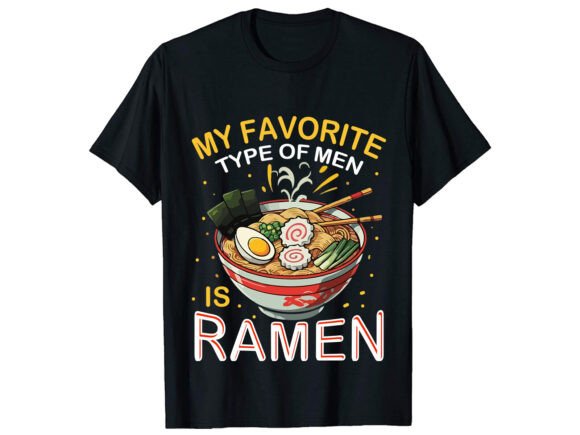
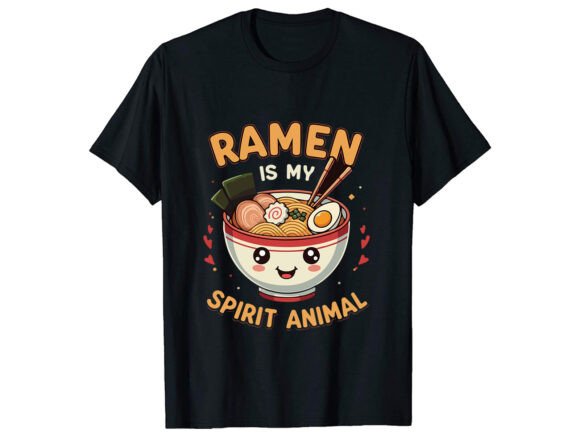
When Ramen is My Spirit Animal T-Shirt Design landed in my inbox, I paused mid-coffee sip—not because it’s overly complex, but because it *feels* like something real people would wear, gift, or stitch with genuine affection. It’s got that rare combo: visual punch without visual noise. The layout leans into friendly asymmetry—ramen bowl centered, steam curling upward, bold script wrapping the sentiment like a warm noodle coil. No tiny flourishes, no fragile linework. Just confident shapes, open negative space, and a rhythm that reads clearly at 4 inches wide *or* 12. That’s not luck—it’s design discipline. As an embroidery designer who’s stitched everything from baby onesies to boutique aprons, I immediately pictured this on a heavyweight cotton tote bag for a local ramen shop pop-up. Not as a logo, but as a quiet wink between maker and customer.
Where This Design Shines in Real Embroidery Projects
Ramen is My Spirit Animal T-Shirt Design thrives where personality meets practicality. On a soft unstructured sweatshirt? Yes—its clean outlines hold up beautifully against brushed fleece texture. On a linen tea towel for a foodie wedding gift? Absolutely—the balanced weight keeps it legible without overpowering the fabric’s natural drape. I tested a mockup on a curved cap front (using digital placement tools first) and found the central bowl shape anchors well, while the script flows naturally along the crown curve. For baby embroidery? It works best on 6–8 month onesies—large enough to read, simple enough to avoid thread piling in tiny corners. As an embroidered patch? Its strong silhouette cuts cleanly, and the lack of fine interior detail means fewer trimming headaches. Even as a holiday kitchen towel or a personalized pillow cover for a college grad moving into their first apartment, it lands with warmth—not irony.
Where to Proceed Thoughtfully
This isn’t a “throw-it-on-anything” design—and that’s a strength, not a flaw. Avoid tight hoop sizes under 4×4 inches; the script needs breathing room to maintain character. On stretchy fabrics like jersey tees, stabilize generously—especially under the bowl’s rounded base—to prevent puckering. Thin fabrics (like lightweight rayon blends) may show backing through lighter fill areas, so test stitch density first. Dark fabrics demand high-contrast thread choices: charcoal gray or deep navy thread on black can disappear; off-white or cream pops with intention. And while the design scales well, resist shrinking it below 3 inches wide for caps or baby items—the letterforms lose their friendly weight and start looking tentative. Also, skip dense decorative accents *around* it (like heavy border stitches); its charm lies in its self-contained confidence.
What It Adds to Your Finished Product
Stitching Ramen is My Spirit Animal T-Shirt Design elevates more than just fabric—it adds narrative trust. Customers recognize authenticity when they see a design that doesn’t try too hard. It signals handmade care without demanding perfectionism. For Etsy sellers, it’s a quietly strategic listing: searchable, giftable, and emotionally sticky. For small shop owners, it reinforces brand voice—approachable, food-loving, human. In craft fairs, it draws smiles before words are exchanged. And for personalized gifts? It’s the kind of detail that makes someone say, “You *get* me.” Visually, it holds up in both color and black-and-white mockups—meaning your digital previews stay honest across devices and print proofs. That consistency builds buyer confidence long before the first stitch is laid.
Practical Notes Every Embroidery Designer Should Check
Before loading Ramen is My Spirit Animal T-Shirt Design into your machine or listing it in your shop:
- Test on scrap fabric first—especially if using textured or dark material. Watch how the satin-stitched bowl edge behaves.
- Review thread color contrast carefully. The design relies on shape, not shading—so mismatched thread can mute its impact.
- Confirm hoop size compatibility. While scalable, the original layout assumes comfortable spacing—don’t force it into a 3×3 unless you’ve verified clarity.
- Inspect small details digitally: zoom in on the steam lines and script terminals. Are they crisp? Do they translate to running or fill stitch cleanly?
- Try black-and-white and light/dark background mockups. Does the design retain its voice when stripped of color context?
- Use appropriate stabilizer—cutaway for knits, tear-away for stable wovens, and always test wash durability if selling finished apparel.
- Verify licensing terms before selling physical embroidered goods or bundling the file with other digital products. This is a T-Shirt Design and Graphics asset—its commercial use depends on the license granted, not assumed permissions.
Final Thought: A Design That Works With You, Not Against You
Ramen is My Spirit Animal T-Shirt Design doesn’t shout. It leans in. It’s the kind of embroidery file that saves time instead of costing it—no redrawing, no simplifying, no second-guessing whether it’ll hold up after five washes or one toddler tug. It belongs on things meant to be lived with: aprons stained with miso, totes slung over shoulders on rainy commutes, baby blankets folded beside cribs. As a designer, reviewer, and maker, I don’t reach for every new graphic—but this one? I’ve already added it to my go-to folder for client mood boards, holiday product planning, and that little spark of joy you want to pass along, stitch by thoughtful stitch.