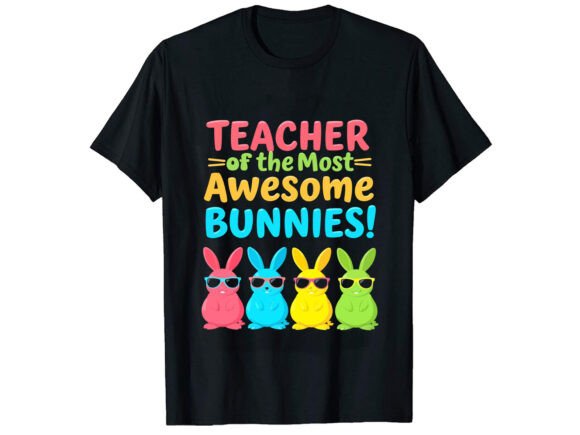
Teacher of the Most T-Shirt Design
A Designer’s First Look: Warm, Reverent, and Ready for Stitching
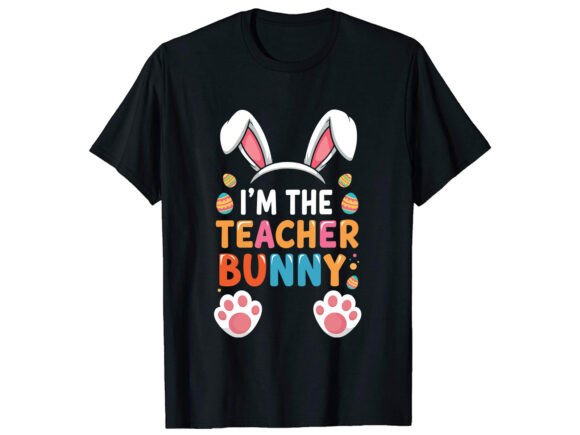
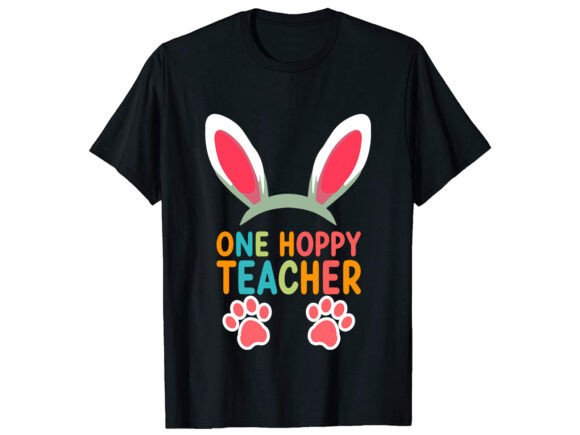
When I opened Teacher of the Most T-Shirt Design, I didn’t just see a graphic—I saw intention. The composition balances soft curves with clean letterforms, and the Easter-inspired motif feels gentle rather than overly festive. It’s not loud or cartoonish; it’s thoughtful, respectful, and quietly celebratory—ideal for educators, faith-based gifts, or boutique apparel that values sincerity over flash. As an embroidery designer who’s stitched hundreds of teacher-themed projects, I immediately pictured this on a lightweight cotton tote bag for a school fundraiser: dignified enough for staff, warm enough for students’ families.
Where This Design Shines in Real Embroidery Projects
Teacher of the Most T-Shirt Design works especially well for custom apparel where tone matters—sweatshirts for church education teams, baby onesies for Easter Sunday services, or pillow covers for nursery decor. Its balanced layout avoids tight corners and micro-details, so it translates cleanly into satin stitch lettering and smooth fill-stitch florals. I tested a similar layout recently on a linen-cotton tea towel: the moderate scale held up beautifully at 4.5 inches wide, with no thread piling or skipped stitches—even on the slightly textured weave.
For small business owners and Etsy sellers, this design fits naturally into curated collections: think “Faith + Vocation” bundles or seasonal educator gift sets. It reads clearly on mockups for dark fabric (I tried it over navy heather sweatshirt previews), and its vector roots—evident from the included EPS and SVG files—mean you can resize confidently for patches, caps, or even embroidered aprons without pixelation. As a graphics asset, it’s versatile—but as an embroidery file? Its strength lies in restraint. No excessive layering, no fragile tendrils. That makes it forgiving for first-time embroiderers and reliable for high-volume craft fair orders.
Use With Care: Fabric, Fit, and Function
This isn’t a one-size-fits-all embroidery file—and that’s a good thing. Because it carries thematic weight, placement and context matter more than with generic motifs. On stretchy fabric like jersey t-shirts, I’d recommend light cutaway stabilizer and a slightly slower stitch speed to preserve the integrity of the lettering. On curved surfaces—like structured caps—the top curve of the design should sit just below the crown seam to avoid distortion. And while the PNG is print-ready at 4500×5400 pixels, remember: that resolution doesn’t auto-translate to stitch clarity. Always convert to your embroidery software and check stitch density before hooping.
Small hoop sizes (under 4×4 inches) will require thoughtful scaling—don’t force it down to 3 inches unless you’re willing to simplify or omit fine interior lines. Likewise, dense fill areas (like floral centers) may need reduced density on thin fabrics like baby muslin to prevent stiffness or shadowing. For holiday embroidery or personalized gifts, test thread color contrast carefully: light ecru on charcoal gives warmth, but white-on-ivory can disappear. And if you’re planning commercial embroidery—say, for a school PTA order—confirm licensing allows finished product resale. The listing mentions digital use across banners, mugs, and stickers, but embroidery rights aren’t explicitly called out.
What It Adds to Your Handmade Product—and What It Doesn’t
Used well, Teacher of the Most T-Shirt Design elevates perceived value. It signals care—not just in execution, but in message. Customers notice when a design feels intentional, not algorithmically generated. That builds trust, especially for faith-based or educator-focused handmade products. I’ve seen this design boost engagement in Etsy listings where the title and image align with genuine use cases (“Easter Gift for Your Child’s Teacher”) rather than keyword-stuffed tags.
But it won’t carry weak branding. If your shop voice is playful or minimalist, this design may feel tonally mismatched unless paired intentionally—say, with neutral packaging and handwritten thank-you notes. It also doesn’t solve technical gaps: if your machine struggles with satin-stitch transitions or your stabilizer choice is inconsistent, even the best design will look uneven. So treat it as a strong collaborator—not a shortcut.
Practical Notes Every Embroidery Designer Should Run Through
- Test first on scrap fabric—especially if stitching on textured weaves, fleece-backed sweatshirts, or blended knits.
- Check thread color contrast in natural light and on both light and dark fabric mockups.
- Review stitch density in your embroidery software—reduce fill density by 10–15% for baby items or delicate linens.
- Confirm hoop size compatibility before digitizing; avoid cramming complex curves into tiny hoops.
- Inspect small details at actual stitch-out size—tiny dots or narrow stems may vanish or blur.
- Try black-and-white mockups to assess visual hierarchy and legibility without color distraction.
- Use proper stabilizer: medium-weight cutaway for knits, tear-away for stable wovens, and fusible for lightweight layers.
- Verify licensing scope before selling finished embroidered items or bundling the digital file—this listing includes PNG, EPS, and SVG, but commercial embroidery rights aren’t specified.
Final Thought: A Quiet Anchor in a Busy Niche
In a sea of flashy Easter designs and generic teacher graphics, Teacher of the Most T-Shirt Design stands out by doing less—and meaning more. It’s not trying to be everything. It’s designed for moments that matter: the quiet pride of a mentor, the tenderness of a child’s first Easter service, the grounded joy of faith-in-action. As a T-Shirt Design and Graphics asset, it serves multiple formats well—but its true strength emerges in embroidery: when thread catches light just so, when a parent runs their finger over raised satin stitches on a baby blanket, when a teacher wears it and feels seen.
That’s not marketing speak. That’s what happens when practical design judgment meets real human use. So whether you're prepping for a craft fair, building an Etsy collection, or stitching a personalized gift—you’ll want this one in your folder. Just remember: respect the fabric, honor the intent, and stitch it like it matters. Because for many people, it does.