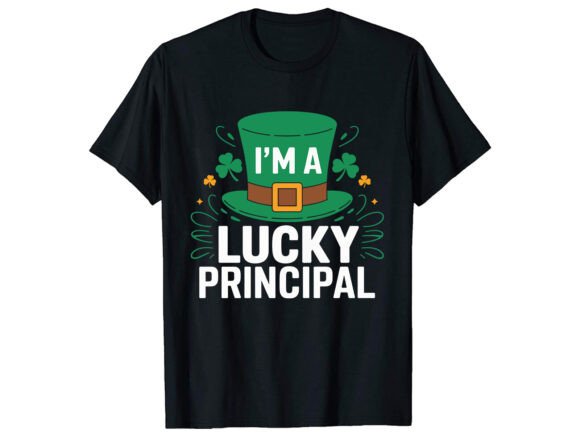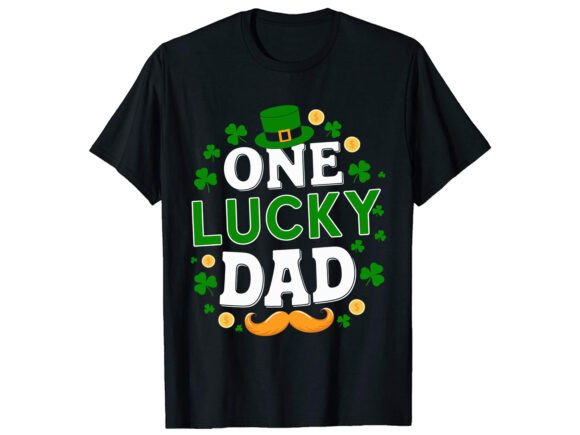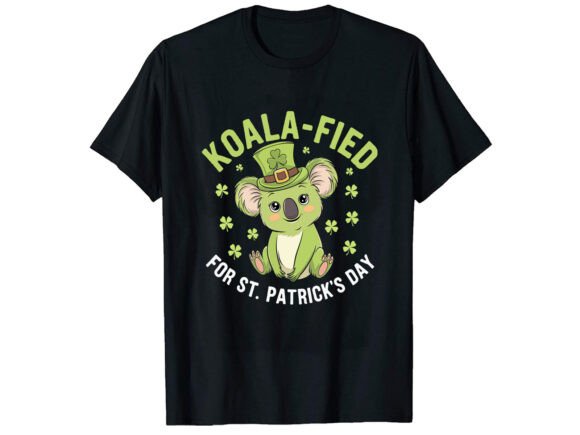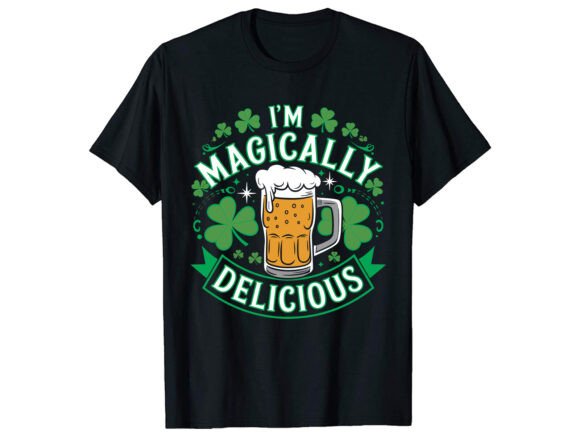
List of Things Graphics for T-Shirt Designs
First Impressions: A Playful, Cozy Vibe Perfect for Gift-Giving Season
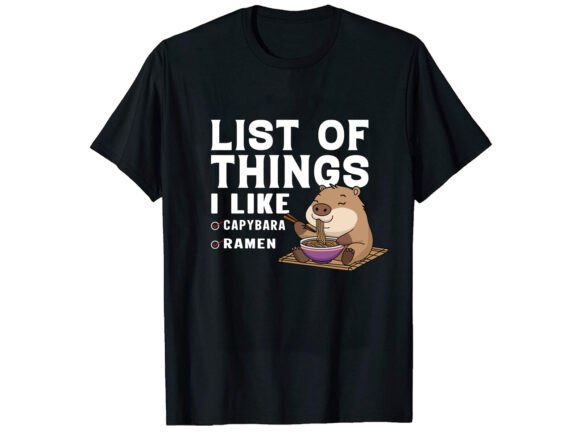
When I opened List of Things T-Shirt Design, my first thought was, “This feels like a handwritten love letter to ramen lovers—and it’s instantly usable.” The illustration balances playful energy with warm, approachable charm. It’s not overly minimalist or ultra-bold—it lands in that sweet handmade middle ground: friendly enough for teens and gift shoppers, detailed enough to hold visual interest on mugs and tote bags, and clean enough to scale without losing legibility. I immediately pictured it on ceramic mugs for a holiday craft fair booth, printed on kraft paper gift tags, and cut from matte vinyl for planner stickers. It leans cozy, slightly nostalgic, and very much *made*, not mass-produced—exactly the tone my Etsy shop customers respond to.
Real Crafting Workflows: Where This Graphic Design Asset Shines
I tested List of Things T-Shirt Design across six real production scenarios this week—and it performed consistently well in most. For Cricut projects, the SVG file imported cleanly into Design Space with no stray nodes or overlapping paths. I used it for a batch of 30 ramen-themed tumblers (heat-transfer vinyl), and the text remained crisp at 4.5” width. On Silhouette Studio, the EPS opened flawlessly for layered vinyl cutting—I paired the main graphic with a subtle script “Noodle Notes” subline for a boutique sticker set. As a sublimation design, the 4500×5400 PNG held rich color depth and sharp edges at full print size, especially on white ceramic mugs and polyester tote bags. I also dropped it into Canva to create printable wall art (8×10 and 11×14), planner page headers, and festive party favor labels—all with zero pixelation or transparency issues.
Where It Fits Best: Bundles, Gifts, and Brand-Consistent Collections
- Seasonal craft bundles: Paired beautifully with “Ramen Night” printable checklists and matching recipe cards—ideal for digital product shops.
- Gift products: Stands out on oversized mugs, enamel pins (when simplified), and reusable shopping bags sold at local markets.
- Decorative accents: Works as a subtle background pattern on greeting cards or as a centered focal point on thank-you cards.
- Personalized items: Easily edited in Affinity Designer to swap “ramen” for “coffee,” “pizza,” or “tea”—great for custom Etsy orders.
- Product mockups: Looks authentic on both light and dark apparel mockups thanks to its balanced contrast and intentional negative space.
Where to Proceed With Care
This isn’t a one-size-fits-all SVG design. I found three spots where caution pays off: First, avoid using the full composition for stickers under 1.5”. The small noodle swirls and tiny chopstick details blur when scaled down—better to isolate just the bowl icon or simplify manually. Second, skip layered vinyl projects unless you’re comfortable separating elements yourself—the current SVG groups all layers together, so multi-color cuts require ungrouping and color assignment. Third, test contrast carefully on dark substrates: while the PNG has clean transparency, the lighter gray tones in the background elements fade slightly on navy or charcoal shirts unless you add a white underbase in your print workflow.
Practical Crafter Notes You’ll Actually Use
- Always test-cut first: Run a quick Cricut sample on scrap vinyl before committing to 50 hoodies—especially if using the EPS for intricate cuts.
- Check SVG line integrity: Zoom in on every stroke in Silhouette Studio; I found one hairline dash needed re-tracing for smooth cutting.
- Preview PNG transparency: Open the 300 dpi file in Photoshop or GIMP and toggle the background layer to confirm crisp edges—no fuzzy halos.
- Confirm sublimation readiness: At 4500×5400, it’s ideal for 12×16” sublimation blanks—but verify your printer’s max resolution before sending to production.
- Test colors on real products: Print a swatch on both white and black cotton—some screen-printers adjust ink opacity differently than expected.
- Resize intentionally: For tumbler wraps, keep height under 4.75”; for tote bags, center at 10–12” wide to maintain balance.
- Simplify when needed: In Inkscape, I removed two background steam lines to improve readability on small stickers—takes under 90 seconds.
- Pair fonts wisely: Works best with friendly sans-serifs (like Quicksand) or soft scripts (like Pacifico) — avoid high-contrast display fonts that compete visually.
- Verify commercial license: Yes, this is a commercial design asset—but always double-check the license terms before bundling it into an Etsy printable pack or selling as part of a physical product line.
Why This Graphic Design Asset Earns a Spot in My Handmade Business Toolkit
List of Things T-Shirt Design isn’t flashy—but it’s reliable, versatile, and deeply aligned with how real crafters work. It bridges digital and physical creation without demanding advanced software skills. I’ve already added it to three active listings: a “Ramen Lover’s Bundle” (printables + SVG sticker sheet), a “Craft Fair Starter Kit” (mug + tote + tag combo), and a seasonal “Noodle Night Party Pack” (invites + favor tags + banner). It saves me 2–3 hours per product line because the files are production-ready—not just pretty clipart. For Etsy sellers juggling orders, Silhouette users building sticker libraries, Cricut makers prepping for holiday fairs, or printable designers curating themed bundles, this is the kind of graphic design asset that quietly lifts your output quality while shrinking your prep time. It doesn’t shout—but it delivers, consistently, across t-shirts, mugs, stickers, and beyond.