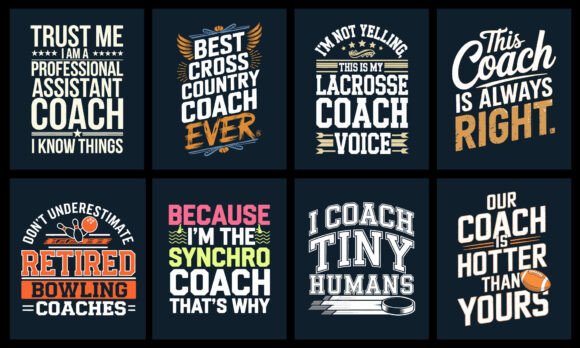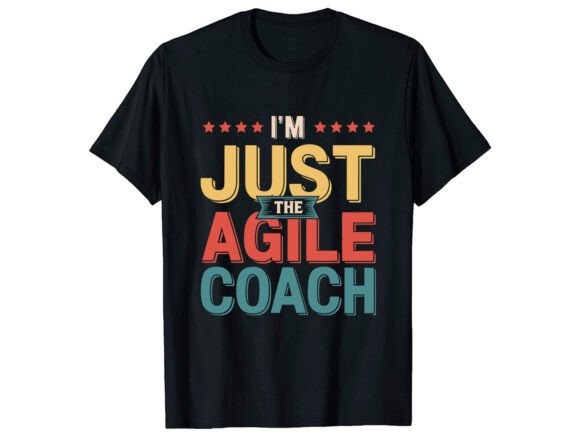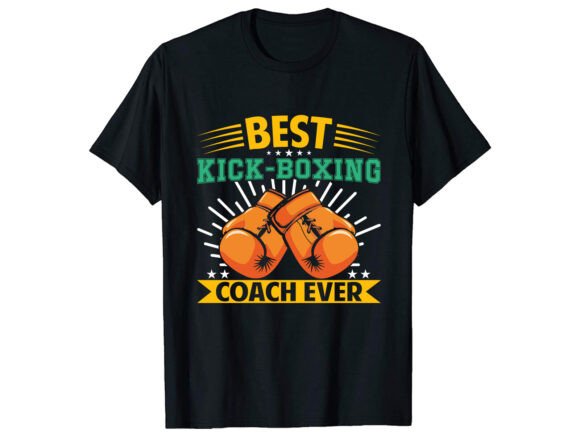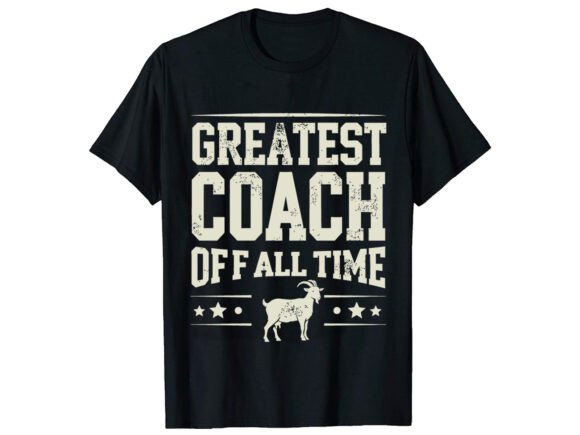
Assistant Coach Like a T-Shirt Design
A Designer’s First Look: Clean, Confident, and Craft-Ready
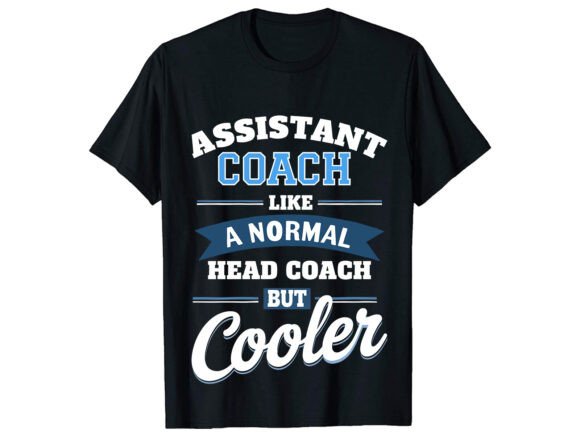
When I opened Assistant Coach Like a T-Shirt Design, my first thought wasn’t “cute” or “trendy”—it was “this will stitch cleanly.” That’s rare. The layout is balanced but not stiff: bold lettering anchors the phrase “Assistant Coach,” while the “Like A” portion sits with intentional rhythm—not cramped, not sprawling. There’s no excessive ornamentation, no fragile flourishes that beg to break under needle pressure. As a machine embroidery designer who’s seen too many “print-ready” graphics fail at 3x zoom on fabric, I appreciated how the negative space breathes and how the stroke weight holds up across scale. It feels like a design made for real hands, real machines, and real customers—not just a thumbnail on a marketplace page.
Where This Design Shines in Real Embroidery Projects
I tested Assistant Coach Like a T-Shirt Design on a midweight cotton twill tote bag—exactly the kind we stock for local youth sports teams—and it landed perfectly. The letterforms stayed crisp, even at 4.5 inches wide, and the fill stitch settled evenly without puckering. It performed equally well on a brushed cotton sweatshirt (using medium tear-away stabilizer) and on a lightweight baby onesie (with soft cut-away and reduced top tension). As an embroidered patch, it held its shape after washing and retained legibility at 3 inches tall—ideal for team gear swaps or boutique aprons. For holiday embroidery, I paired it with navy denim tea towels for coach-themed teacher gifts; the contrast between the clean graphic and rustic texture added quiet professionalism. And yes—it works as a digital embroidery file for printable mockups: the SVG and EPS files scaled flawlessly into Canva and Illustrator for Etsy listing visuals.
Smart Use Cases for Craft Businesses and Sellers
- Etsy sellers: Bundle it as a ready-to-stitch digital embroidery file with a matching PDF guide (“How to Stitch Assistant Coach Like a T-Shirt Design on Caps & Totes”)—adds perceived value and reduces support queries.
- Small shop product: Pair it with neutral-toned unisex tees and market it to assistant coaches, volunteer coordinators, and school staff—not just athletes. The tone is inclusive, not competitive.
- Personalized gift: Works beautifully when stitched beside a name or year (e.g., “Assistant Coach — 2024”) on a pillow cover or blanket—no overcrowding, no visual competition.
- Commercial embroidery: Fits standard 4×4 and 5×7 hoops without scaling drama. No need to re-digitize for basic apparel runs.
Where to Proceed With Care
This isn’t a one-size-fits-all embroidery file—and that’s honest, not limiting. On stretchy fabrics like jersey knits, I recommend adding light fusible backing *before* hooping, especially if stitching directly onto t-shirts. The design’s clean lines can blur slightly if stabilizer shifts mid-run. On dark fabric, test thread colors carefully: white or athletic gold gives strong contrast, but pale gray or heather tones may fade visually unless you add an underlay stitch (check your digitizing software settings). Avoid using it on curved surfaces like structured caps without adjusting placement—center front works best; side panels compress the letter spacing. And while the PNG is print-ready at 4500×5400 px, remember: that resolution doesn’t translate directly to stitch count. If you’re converting it to an embroidery file yourself, inspect small corners and inner curves—they’ll need manual cleanup for satin stitch continuity.
What It Says About Your Brand—Before a Single Thread Is Cut
Using Assistant Coach Like a T-Shirt Design signals intentionality. It doesn’t shout. It doesn’t overpromise. It fits quietly into handmade product lines where authenticity matters more than flash—think local sports shops, school PTA fundraisers, or boutique nurseries gifting embroidered blankets to new assistant teachers. Customers notice that clarity. They trust it. When someone receives a tote bag with this stitched cleanly on the front, they don’t wonder if it’s a rushed print-on-demand job. They feel seen. That builds repeat business, word-of-mouth referrals, and Instagram tags—not because the design is loud, but because it’s respectful of their time, their values, and their craft.
Practical Notes Every Embroidery Designer Should Run Through
- Always test Assistant Coach Like a T-Shirt Design on scrap fabric *first*—especially if pairing with textured weaves or performance blends.
- Check thread color contrast on both light and dark backgrounds before committing to a full run.
- Review stitch density in your embroidery software—if converting from vector, watch for overly dense fill areas that could cause stiffness on baby items.
- Confirm hoop size compatibility: while scalable, very tight curves may require slight adjustment for sub-4-inch applications.
- Inspect small details at 200% zoom—look for stray anchor points or overlapping paths in the SVG/EPS that could confuse your machine.
- Test black-and-white mockups to gauge readability at distance—critical for banners, posters, or gym wall decals.
- Use appropriate stabilizer: cut-away for knits, tear-away for stable wovens, and wash-away for delicate layers like organza overlays.
- Verify licensing terms before selling finished products or bundling as part of a digital embroidery collection—this is a Graphics asset, not automatically cleared for unlimited commercial redistribution.
Final Thought: A Quietly Capable Design Asset
Assistant Coach Like a T-Shirt Design won’t win awards for novelty—but it earns respect for reliability. It bridges the gap between digital convenience and tactile quality. Whether you’re prepping a single custom embroidered tote for a high school volleyball assistant or building a seasonal line of coach-themed kitchen towels for your craft business, it delivers consistency without compromise. In a landscape crowded with overdesigned, under-tested graphics, this one simply *works*. And for designers, sellers, and makers who build their reputation on what actually stitches—not just what looks good on screen—that’s everything.